Armenian Prime Minister Nikol Pashinyan’s Civil Contract party looks set to win parliamentary elections scheduled for June 7, yet only 26 percent of Armenians say they support the party, and a lot could change in the coming months (about a third of voters have yet to make up their minds). The results will also be more unpredictable if the Kremlin decides to ramp up election interference.
That is more likely following Pashinyan’s recent visit to Moscow, during which Russian President Vladimir Putin complained about Armenia’s effective withdrawal from the Collective Security Treaty Organization (of which both countries are members) and about the treatment of pro-Russia Armenian politicians. Pashinyan responded with a brief but tense lecture on democratic and online freedoms in Armenia.
Indeed, social media has become Pashinyan’s main campaign tool. His posts have been particularly successful in recent months, with memes now circulating showing the prime minister looking melancholy while listening to Russian rock star Zemfira, playing the drums, and eating a pastry on a bus. The latter was so successful that he followed it up with similar clips eating corn, lavash (Armenian flatbread), and other foods.
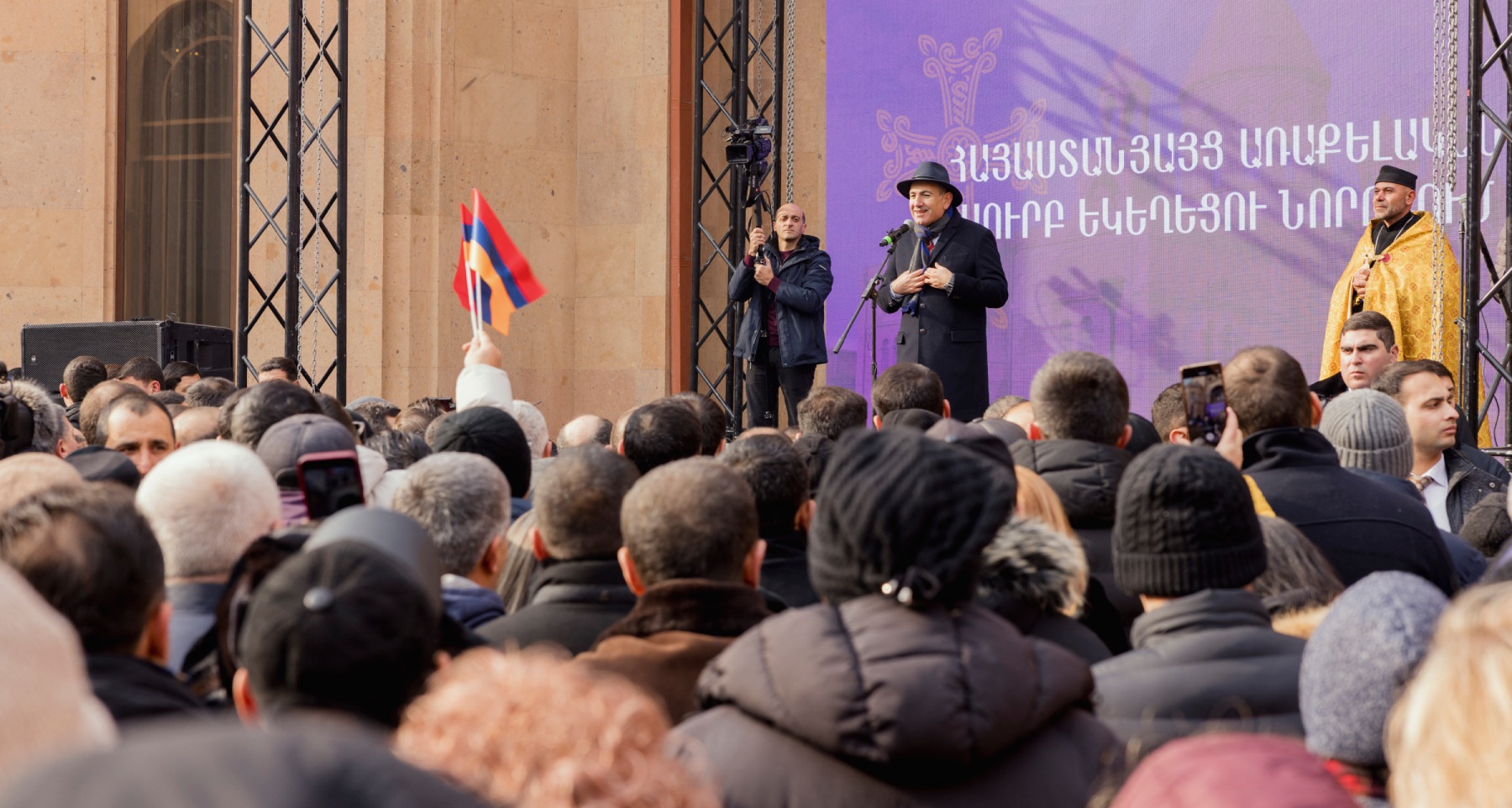
Inevitably, though, turning election campaigns into a reality show has a flip side. Pashinyan was heavily criticized after he got into an argument on the Yerevan metro with a refugee from Nagorno-Karabakh who accused him of surrendering the disputed region to Azerbaijan. There was also another unpleasant incident in which a member of the congregation at a service in a Yerevan church tried to hit Pashinyan (a reminder of the politician’s conflict with the leadership of the Armenian Apostolic Church).
Nevertheless, Pashinyan’s online activity enables him to retain the initiative. His primary message is that Civil Contract is the party of peace, while his opponents want war. He never tires of repeating that the Nagorno-Karabakh conflict is over, and an era of peace has begun. But to keep it on track, the logic goes, Pashinyan must remain in government to deliver the normalization of relations with Armenia’s neighbors.
Pashinyan has also been stressing Armenian sovereignty—which means reducing the country’s dependence on Russia. Although he tries not to directly criticize the Kremlin, few are fooled by his caution.
Finally, Pashinyan’s campaign has highlighted integration with the EU. This resonates less with voters, though, because Armenians understand that even in a best-case scenario, it will take decades to achieve.
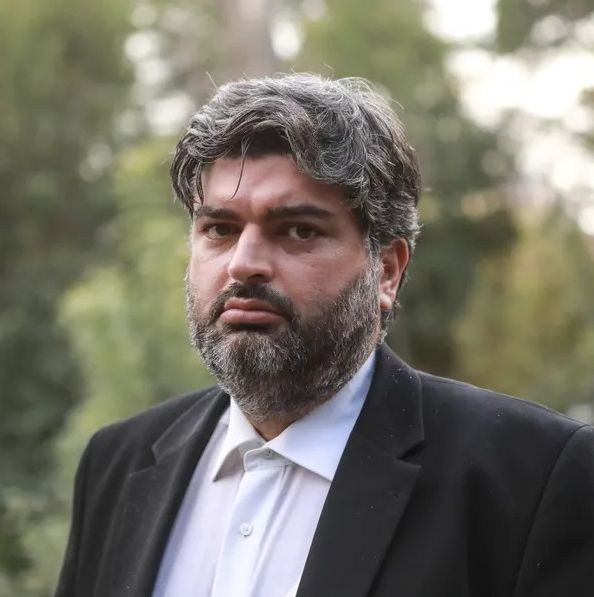
Pashinyan’s main rivals are from Armenia’s pro-Russia opposition, which is represented in the elections by the parties of three men: Russian-Armenian billionaire Samvel Karapetyan, former president Robert Kocharyan, and businessman Gagik Tsarukyan. Although they have much in common, they are in no hurry to enter into a coalition together—partly because of personal ambition, partly out of reluctance to share voters.
If all three groups did make it into parliament, they could theoretically rally behind a consensus candidate for prime minister. Something similar happened following last year’s mayoral elections in the northern Armenian city of Gyumri when all the opposition parties backed a pro-Russia candidate, Vardan Ghukasyan (although he was arrested a few months later on corruption charges).
The pro-Russia opposition hopes that a combination of Pashinyan’s unpopularity and support from Moscow could help it win. It’s undeniably true that many Armenians would vote for anyone just to be rid of Pashinyan, whom they see as a traitor and blame for the loss of Nagorno-Karabakh.
However, converting this frustration into an electoral victory will be challenging. For the moment, Karapetyan’s party (which was backed by Putin) is the most popular of the three. But the tycoon is currently under house arrest (he was accused of plotting a coup last year), he does not have much experience of public politics, and under Armenian law his dual citizenship excludes him from becoming a parliamentary deputy (let alone prime minister).
Tsarukyan has always been cautious and avoided direct conflict with the authorities, and Kocharyan is widely disliked due to his track record in power: at the moment, just 3 percent of Armenians say they would vote for his party.
Pashinyan’s chances are further boosted by the fact that he faces hardly any competition from the country’s pro-EU political forces. In the past, pro-EU parties criticized the government for its ties to Moscow, but Pashinyan’s obvious desire to reduce dependence on Russia means there is now little difference between them.
The upcoming elections have turned Armenia into a geopolitical battleground between Russia and the West for the first time. The Kremlin previously considered Armenia part of its sphere of influence, regardless of who was in charge. However, everything changed after Moscow’s full-scale invasion of Ukraine, and Azerbaijan’s victory in Nagorno-Karabakh. Now, officials in Yerevan talk about “decolonization,” cooperation with Washington, and EU integration.
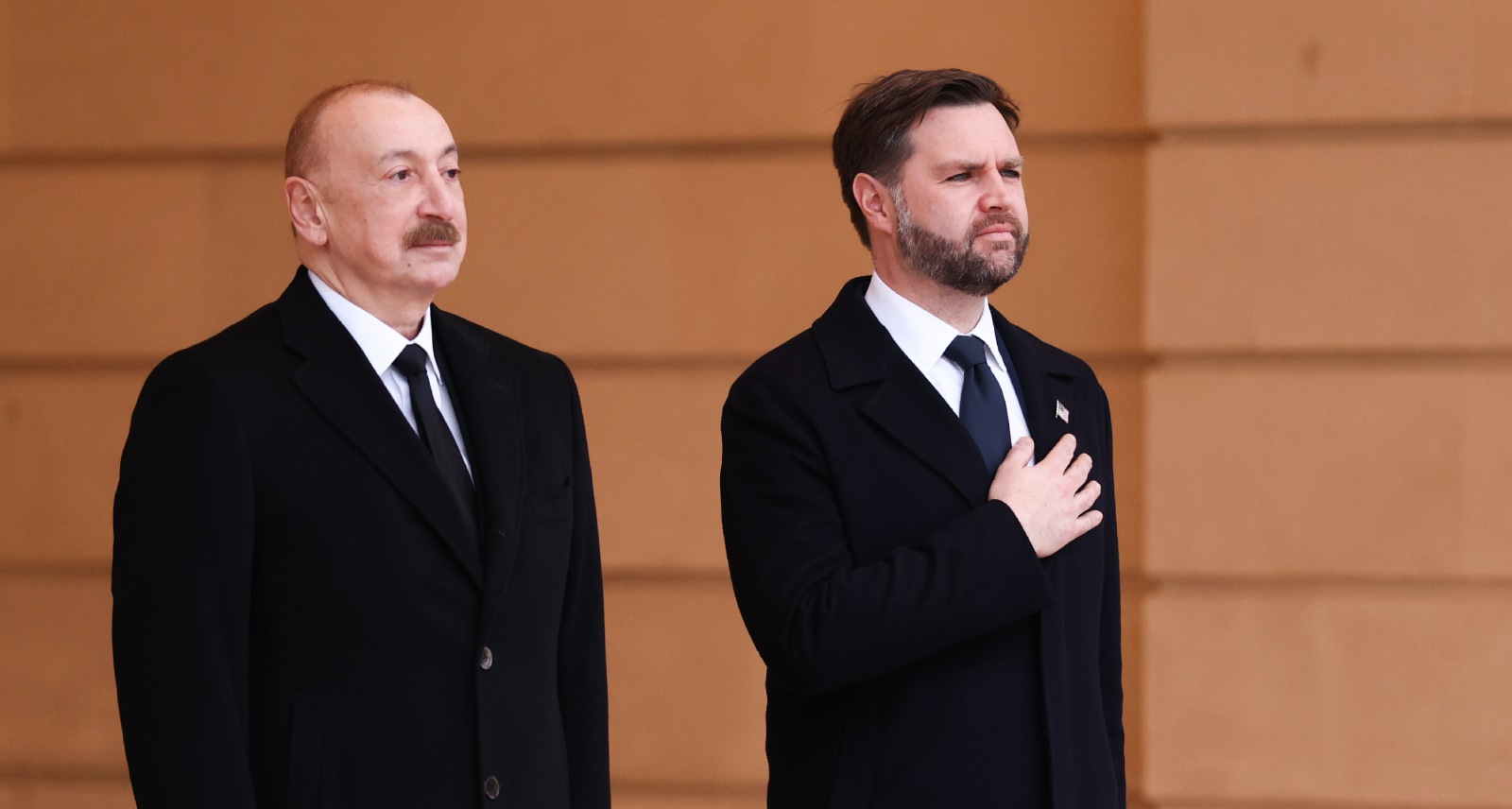
U.S. Vice President JD Vance visited Yerevan in February and gave his public backing to Pashinyan. There was also an announcement of plans for multibillion-dollar U.S. investment—in addition to the Trump Route for International Peace and Prosperity (TRIPP) linking Europe and Asia that will be built across Armenian territory as part of a peace deal with Baku.
In addition, the European Political Community Summit and the first ever EU-Armenia summit will be held in Yerevan in May. And Brussels has pledged to help Yerevan counter Russian hybrid warfare.
Pashinyan’s supporters, as well as Armenian civil society groups, have accused Moscow of directing the country’s pro-Russia opposition, and there has been much talk in the run-up to the June vote about information attacks and mobilizing Russian Armenians to vote. Critics of Pashinyan claim such dangers are being exaggerated to justify persecution of the opposition.
This situation is redolent of the buildup to Moldova’s parliamentary elections in 2025. While Russia’s economic and media influence in Armenia is stronger than in Moldova, it is at least partly offset by the reputational damage Moscow suffered through failing to intervene on behalf of its official ally when Armenia lost Nagorno-Karabakh and during skirmishes on the Armenia-Azerbaijan border. As a result, even the pro-Russia opposition in Armenia seeks to downplay its links to Moscow.
It’s hard to deny that a victory for the pro-Russia opposition would mean Yerevan turning toward Moscow, and a halt to the peace process with Azerbaijan and Turkey. The opposition has already promised that if it comes to power, it will punish Pashinyan and his supporters for “surrendering” Nagorno-Karabakh.
While a win for the pro-Russia forces currently looks unlikely, there is a lot that could still change, such as the level of Russian interference, or the escalation of the war in the Middle East. As Pashinyan has linked a Civil Contract win to the ongoing peace process, if Armenia’s former regional enemies were to turn their backs on negotiations, it would put him in a difficult position. Admittedly, neither Baku nor Ankara wants to see Yerevan become a Russian proxy, so they will likely refrain from any surprise moves until after the election.