

Commentary
Four Middle East experts analyze the region’s reactions and next steps.
- +1
Amr Hamzawy, Andrew Leber, Eric Lob, …
{
  "authors": [
    "Andrew Leber",
    "Sam Worby"
  ],
  "type": "commentary",
  "blog": "Emissary",
  "centerAffiliationAll": "dc",
  "centers": [
    "Carnegie Endowment for International Peace"
  ],
  "englishNewsletterAll": "menaTransitions",
  "nonEnglishNewsletterAll": "",
  "primaryCenter": "Carnegie Endowment for International Peace",
  "programAffiliation": "MEP",
  "programs": [
    "Middle East"
  ],
  "regions": [
    "Iran",
    "Middle East",
    "Saudi Arabia",
    "Qatar",
    "Oman",
    "Bahrain",
    "Kuwait",
    "United Arab Emirates"
  ],
  "topics": [
    "Security",
    "Military",
    "Domestic Politics",
    "Foreign Policy"
  ]
}
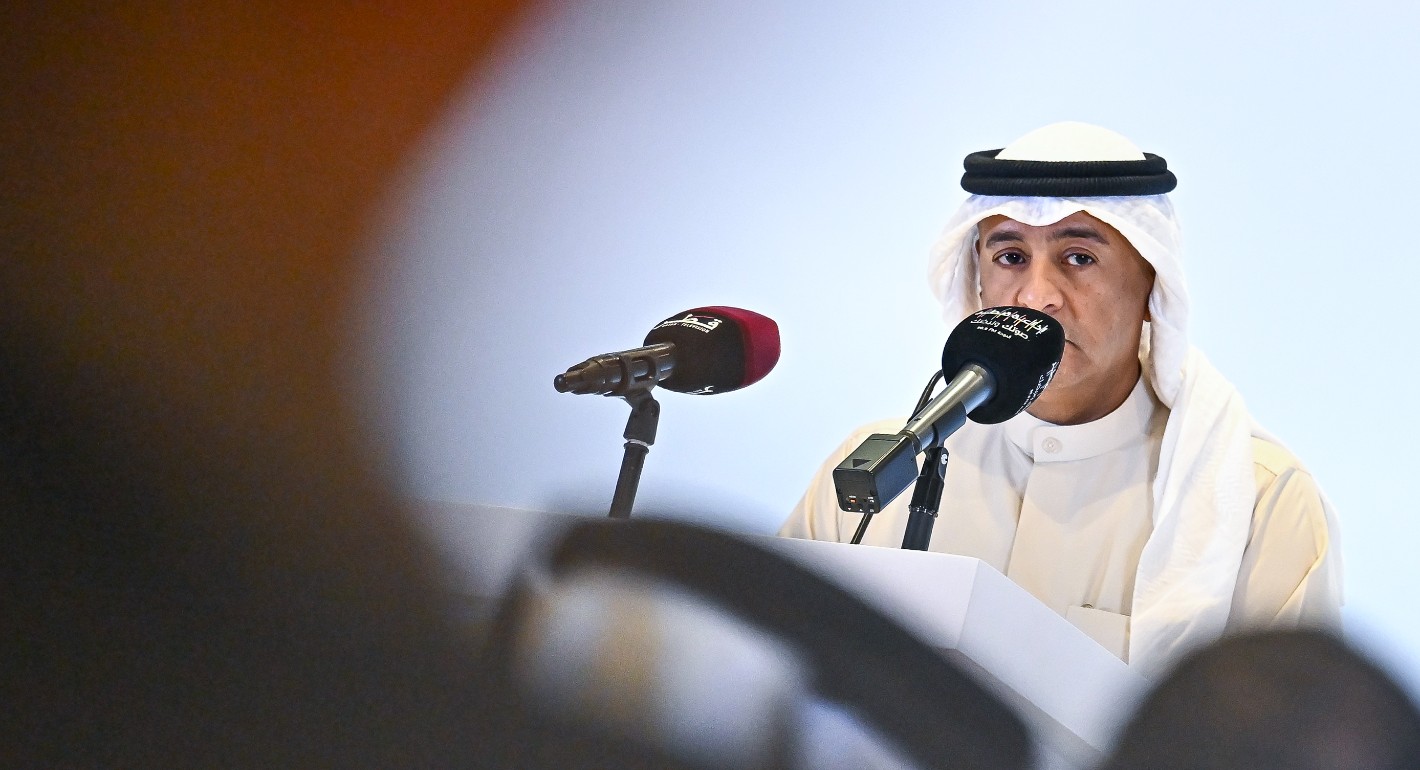
GCC Secretary-General Jassim al-Budaiwi speaks in Doha, Qatar, in 2025. (Photo by Noushad Thekkayil/NurPhoto via Getty Images)
One is hopeful. One is realistic. One is cautionary.
Amid a tenuous U.S.-Iran ceasefire, Arab Gulf monarchies are aiming to project strength. “We prevailed through an epic national defense . . . in the face of treacherous aggression,” Emirati diplomatic adviser Anwar Gargash wrote on X. Saudi-owned newspaper Asharq Al-Awsat emphasized the kingdom’s “intensive political consultations” with regional countries as leading to the present calm.
Yet member states of the Gulf Cooperation Council (GCC) still face immense challenges in shoring up their security. A substantial U.S. and Israeli air campaign was unable to eliminate Iran’s will or capability to exert power in the Gulf, with Iran turning historically secure neighbor states into war zones overnight. Neither the United States nor any other actor put forward a decisive solution for the de facto Iranian closure of the Strait of Hormuz, while the Islamic Republic retains its highly enriched uranium and its nuclear program. And the GCC has no seat at the table, despite its entreaties, for negotiations that will shape the bloc’s economic and security environment for years to come.
Where do the Gulf states go from here? We offer three scenarios—a hopeful one, a realistic one, and a cautionary one—that illustrate both potential areas of cooperation and the risks of greater fragmentation.
Across the GCC, a subset of officials and intellectuals have long emphasized the need for greater security and economic cooperation.
The war and its fallout present unprecedented pressures for GCC collective action. Despite their differences, all six members—Bahrain, Kuwait, Oman, Qatar, Saudi Arabia, and the United Arab Emirates—faced Iranian missile and drone fire, and all six activated national air defense capabilities, with U.S. and other allied support, to mitigate the threat. In the aftermath of this war, an integrated air defense system is the most easily justified step forward for security cooperation. GCC states can also coordinate defense acquisitions and even create shared funding pools for the same.
Along these lines, the Gulf states can partner on local air-defense manufacturing. These crucial weapons have been in short supply from the conflict’s earliest days, and the production woes of the U.S. defense industry have left Gulf states to seek supplies elsewhere. Homegrown manufacturing would reduce dependence on the United States, boost local industrial capacity, and create self-reinforcing incentives for security coordination within the GCC. This might include integrating bilateral defense agreements under negotiation with Ukraine regarding anti-drone technology, and it might even include offers to coproduce U.S. or third-party missile defense systems.
On the economic front, further integrating GCC trade corridors should be prioritized. Iran’s closure of the Strait of Hormuz validated longstanding investments by Saudi Arabia and the UAE in pipeline projects that can bypass the strait toward alternative ports. Still, these pipelines are only a partial solution, neither benefiting all Gulf states nor helping with imports of crucial nonoil goods, such as fertilizer. Movement on the longstanding GCC Rail project could address these concerns by linking existing rail projects in Oman, Saudi Arabia, and the UAE with the remaining Gulf monarchies and beyond.
Finally, at the strategic level, the GCC could work to deliberately leverage its members’ different worldviews to better provide for regional resilience and defense. This means understanding the UAE’s edge in military technology and Oman’s diplomatic positioning as complementary assets for securing the bloc as a whole. Likewise, Saudi Arabia’s strategic depth and the trade-focused hubs of Doha, Dubai, and Abu Dhabi can be complementary parts of a vibrant GCC-wide effort to diversify away from a heavy reliance on oil and natural gas.
Past experiences and current trends suggest that heightened coordination will be hard to pull off. In what we think of as the most likely scenario, the aftermath of the war will only see greater intra-GCC coordination in areas that began as ad hoc wartime arrangements.
This means sharing air-defense stockpiles in the heat of open attacks and perhaps closer integration of national air-defense platforms—albeit without a unified command. It also means easing restrictions on movement of goods or people to avoid future attacks and bilateral deals on cross-border warehouse capacity for essentials. Overall Gulf resilience—such as further investments in the GCC electrical grid, cooperation on trans-peninsula energy shipments, and perhaps security cooperation on minesweeping—may also see marginal improvements.
The historical record of the GCC suggests this is the ceiling of new cooperation. In the past, the member monarchies have weighed their collective concerns about external powers against numerous intra-GCC conflicts: border disputes, ideological differences, economic competition, and even spy rings. These divisions have combined to hinder larger cooperative projects such as a currency union or a true joint security force.
Now, the war has generated a new source of division: whom to blame. Most official Gulf statements channel anger toward Iran, yet there is clearly frustration with the United States (and more so Israel) for launching the war without informing the GCC or accounting for its security.
Gulf states’ differing answers on where to direct this frustration are in turn generating friction among them. The UAE has emphasized redoubled ties with the United States and Israel, while implying it is first among nominally equal U.S. security partners in the Gulf. Omani media and officials, by contrast, have been sharply critical of Israeli influence, U.S. policy, and “regional parties” unwilling to criticize the United States—a position that likely rankled other Gulf-state officials. While Saudi Arabia has been more equivocal, its commentators have taken potshots at the UAE’s economic ties with Iran that nevertheless failed to “restrain Tehran.”
The crisis may not be enough to overcome these divisions, making it less likely that individual Gulf states are willing to make investments in collective capacity or surrender agency to a collective position.
In the worst case for the Gulf monarchies, select Gulf states openly compete to lock down individualized strategies to navigate the U.S.-Iran standoff. Doing so risks a new, open rift among them that not only undermines internal coordination but provides an entry point for foreign interference. Possible fractures might emerge along three lines: pre-existing economic competition, divergent assessments of Israel, or differing calculations on accommodating U.S. versus Iranian demands.
First, new pressures stemming from war can encourage zero-sum thinking in the bloc’s two main economic powerhouses: Saudi Arabia and the UAE. Even prior to the war, competition between Saudi and Emirati economic “visions” was matched by geopolitical tensions, manifesting in the two monarchies’ positions on opposite sides of civil strife in Sudan and southern Yemen.
If these two powers are not on the same page, a bidding war for scarce U.S. air defense stockpiles could drive prices up for both, as well as price out other Gulf states. Worse, if the Saudi government prioritizes regional diplomacy while the UAE strengthens security ties with Israel in anticipation of a drawn-out U.S.-Iran confrontation, Abu Dhabi and Riyadh could revive the narratives they have employed against each other in recent months: the UAE painting the Saudis as eager to partner with extremists, and the Saudis suggesting the UAE is an Israeli stooge.
This in turn highlights the potential for Israel’s geopolitical role to become an even greater source of division. The UAE openly intends to deepen cooperation with Israel following the war, which could polarize other Gulf states—where public opinion is increasingly anti-Israel. Moreover, as the UAE moves closer to Israel, the United States might increase pressure on other states to follow suit. President Donald Trump would love nothing more than to add Saudi Arabia to the Abraham Accords. Yet a further Emirati swing toward Israel could force Crown Prince Mohammed bin Salman to again say no to Trump on normalization and even create a new incentive for the kingdom to reach accommodations with Tehran.
This division could expand over time, especially if the war evolves into an extended, lower-grade conflict. This might see the UAE participate in occasional skirmishes against Iran, in tacit coordination with Israel. Others in the GCC might view this as stirring up trouble, with the UAE as a “new Qatar”: in essence, a lone state pursuing an aggressive foreign policy in direct conflict with the interests of its neighbors.
Lastly, GCC members may navigate competing pressure from the United States and Iran differently. Some reporting already portrays a Saudi-led axis that favors diplomacy with Iran, versus an Emirati team that wants the United States and Israel to “finish off” the Islamic Republic. Tension between those two approaches could push the two sides further apart. As Abu Dhabi takes more aggressive actions to counter Tehran, it could create pressure for other states to negotiate accommodations with Iran to distinguish themselves from the UAE and avoid Iranian retaliation. For example, as the UAE cracks down on the Iranian regime’s use of its financial system, another Gulf state could see an opportunity to simultaneously appease Iran and generate cash by serving as the Iranian regime’s financial hub—Muscat as the new Dubai.
Regardless of progress on ceasefires and peace talks, the GCC needs to think about its collective future now. The longer the threat of war lingers over the Gulf, the harder it will be to bring the GCC together. Individual states will come to differ on U.S. reliability as a primary ally and whether rapprochement with Iran could one day be palatable. Anger toward Israel will grow among some and not among others. And as economies stabilize, economic competition will return.
Perhaps the best argument for increased cooperation is that it would enable the GCC to reclaim some control over its destiny. A more unified GCC would be much harder for the United States, Israel, and Iran to ignore the next time they are deciding whether to throw the Gulf into chaos.

Nonresident Scholar, Middle East Program
Andrew Leber is a nonresident scholar in the Carnegie Middle East Program.
Sam Worby
Managing Director, Global Repute
Sam Worby is the managing director of Global Repute, a geopolitical advisory firm focused on institutional partnerships in the Gulf and broader Middle East. His analytical work centers on U.S. policy toward Iran and the Gulf Cooperation Council.
Carnegie does not take institutional positions on public policy issues; the views represented herein are those of the author(s) and do not necessarily reflect the views of Carnegie, its staff, or its trustees.
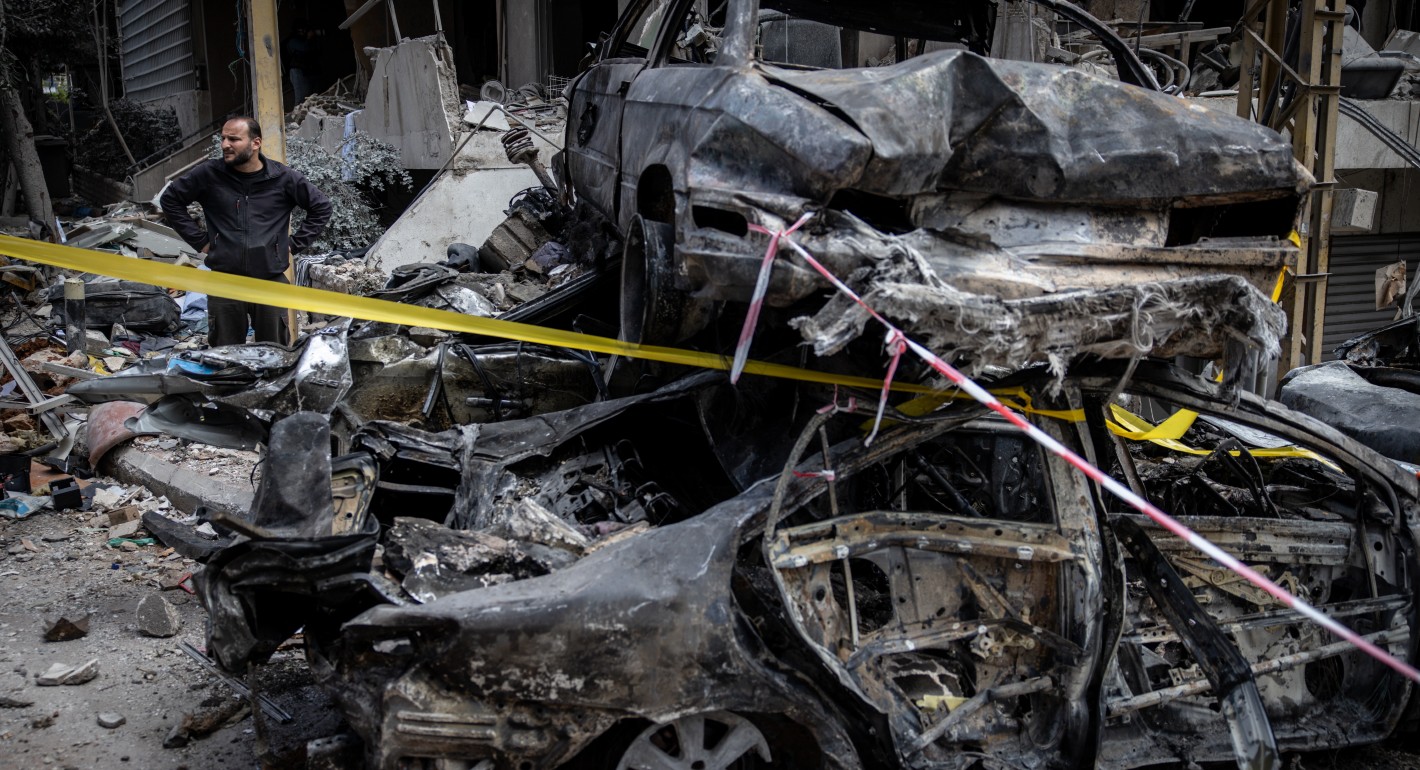
Four Middle East experts analyze the region’s reactions and next steps.


Amr Hamzawy, Andrew Leber, Eric Lob, …
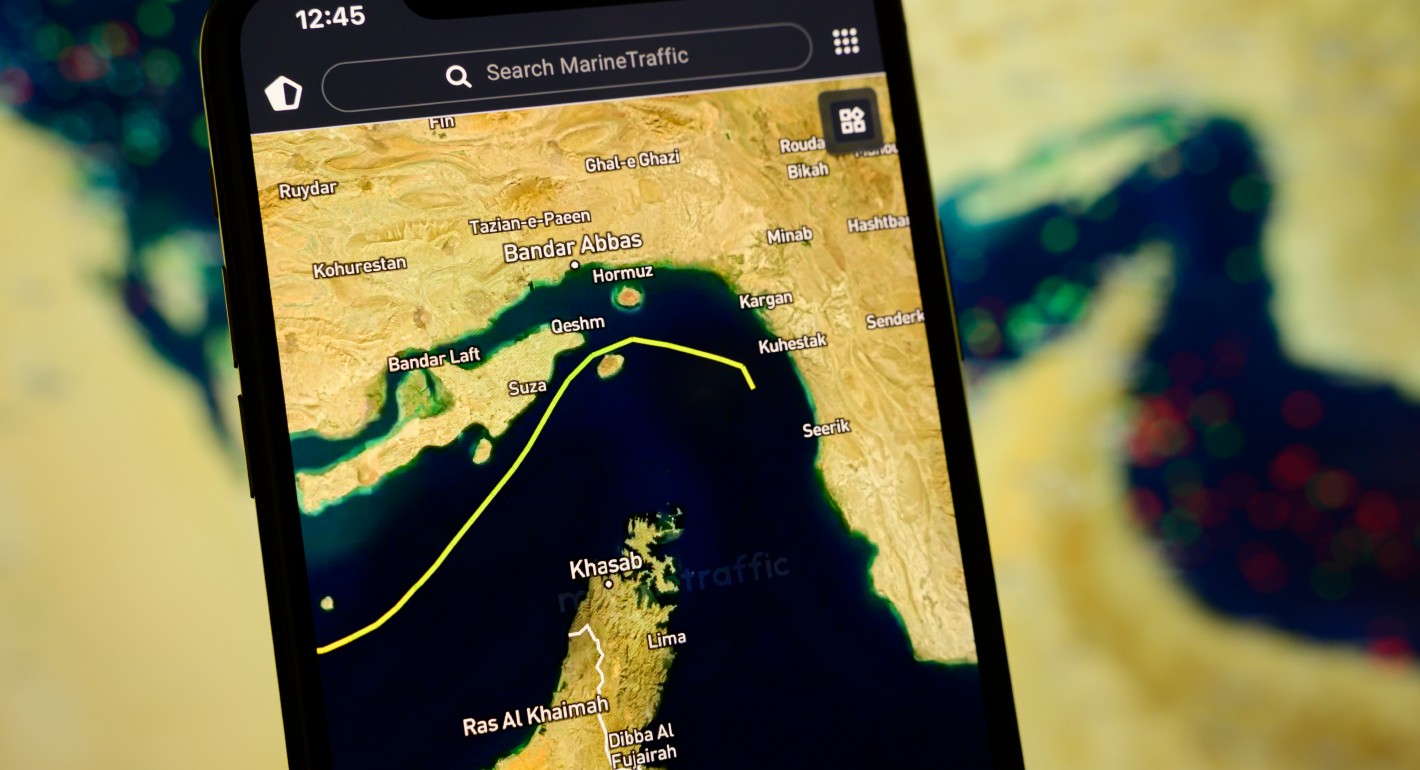
Why the Iran ceasefire isn’t a quick fix to the Strait of Hormuz energy crisis.


Helima Croft, Aaron David Miller
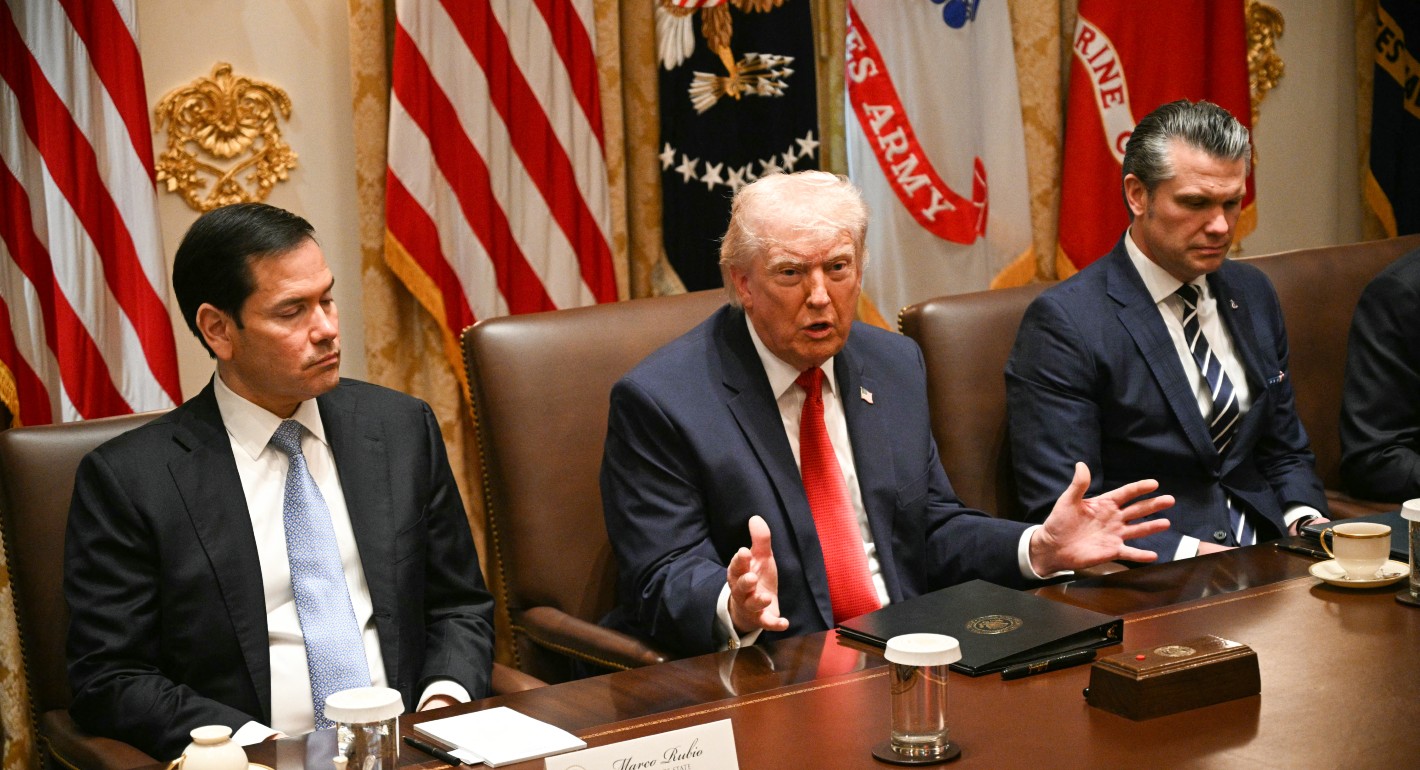
A conflict launched in the name of American security is producing the opposite effect.

Sarah Yerkes
Going to war was the U.S. president’s decision, for which he alone is responsible.

Daniel C. Kurtzer, Aaron David Miller
The cracks between Trump and Netanyahu have become more pronounced, particularly over energy and leadership targets.
Eric Lob